Scroll Top

Campus FIMLM, an implementation of the Method: "Discovering capabilities, an opportunity", in a virtual teaching - learning environment.

Education is the basis of society and the happiness of the human being” — Dr. María Luisa Piraquive
“Study is what will make us prosper, what will make us a different country.”

Dr. Cesar Moreno

Given the challenges imposed on the Foundation by the pandemic, such as being able to guarantee continuous social work, adapting intervention programs to this new reality, ensuring beneficial results for people, implementing effective actions focused on the human development to strengthen and improve people’s mental health, all while taking into account that the purpose of the Foundation is to provide knowledge in a practical and useful manner. The project: he Campus FIMLM was created to implement the method: “Discovering One’s Capacity, an Opportunity” in a virtual teaching-learning environment.

Dr. María Luisa as inspiration for the Campus

Dr. Maria Luisa Piraquive (Founder) identified the need to obtain resources for communities living in vulnerable situations, whether it be nationally and internationally, migrants, people who speak different languages, people with disabilities that face mobility and accessibility restrictions and who have commonly felt rejected, people with a different cultural identity, or simply because they are time-restrictedand could not attend a place to learn. This is how the applied model of teaching and learning, in a learning environment was created.

The Foundation’s social volunteers, motivated by this and with their diverse knowledge, share the interpretation of the harsh realities. They were motivated to build from different roles the challenges of helping even when they themselves need help, the challenge of sharing and receiving knowledge, and above all, the challenge of learning to teach in a universal way. They share their work and knowledge in this project without consideration of  a profit or a reward. Beneficiaries have access to the courses at zero cost, with the sole purpose of overcoming their own and collective barriers, to create entrepreneurship and be productive for themselves and others.

The teaching of values was a guiding principle, and in each topic of every course, the student was to associate the application of these values. Allowing them to get motivated and to want to transform themselves and their environment. This is how the pillars of inclusive education were applied such as: knowing how to do, knowing how to be, and knowing how to coexist. In addition, human, emotional, social and productive skills were strengthened in the participants in regard to any role they intend to carry out in society.

How does the Campus FIMLM work?

Our main actions are the implementation and integration of tools; the design of profiles of all participants taking into account their contexts and culture; the identification of them; the analysis of all diagnostic information upon which courses and topics tailored to the needs, motivations and expectations of the participants are created; the universal design of contents, framed in courses, virtual classes, webinars, among others; the pre-class rehearsals as activities that ensure the quality of learning; and the execution of the different courses. The created files were consolidated in a secure platform and shared with all the contributors of knowledge, so that the knowledge gathered over the execution has a dynamic development with the feedback of the lessons learned from each course.

Through the Campus platform, the participants are motivated and raise their awareness so that, within their life project, they clearly structure the goals they have for which they wish to be trained. This is how the teaching-learning process can even help them to obtain economic resources by acquiring commercial experience, since we provide suitable scenarios for those purposes, such as the Virtual Convention Center, which has been conceived as a center of opportunities and alliances, so that what has been learned can be applied by the students.

The Campus was created as a solution that takes into account the person, hence it is a friendly, intuitive platform, allowing the participants to make use of technological tools in the best way.

In addition, personalized accompaniment is provided through the support of a group of volunteer tutors, who selflessly give their time for the training lessons. They strengthen the learning process of the students, supporting them in the development of their activities or tasks, especially with people with disabilities.

All this is based on the practice of values so that people can progress in their lives having these values as a foundation within their actions.

Finally, when the learners have completed their training courses, they are motivated to replicate the knowledge they have acquired and can teach others to be autonomous and independent as well.

Objective

Given that education is a relevant engine for the achievement of social objectives, since it seeks that each person learns and builds knowledge for their own benefit as well as replicating it for others, giving coverage and scope to the programs and projects generated, the following objectives were set:

General Objective

Campus FIMLM seeks to integrate in an inclusive and collaborative way, Information and Communication Technologies with educational methodologies, where participants, regardless of their condition, culture or level of knowledge, build knowledge individually and collectively, promoting social and productive inclusion with autonomy within the framework of a culture of values.

Specific Objectives

  • To promote the construction of training contents (human and technical) based on the Universal Design for Learning (UDL), as a pedagogical foundation promoted by Dr. María Luisa Piraquive (Founder).
  • To teach values in context. In each topic of any course, the student associates the real application of diverse values to ensure the motivation towards the transformation of himself and his environment.
  • To promote access to non-formal education, as a tool to motivate self-taught and autonomous study.
  • To offer immersion tools in virtual, autonomous and collaborative learning environments, for the training of vulnerable communities and volunteers, with the purpose of strengthening their learning to know, do, be and live together.
  • To promote the strengthening of human, emotional, social and productive skills in the beneficiaries.

Campus FIMLM: Innovative strategies for the world

Campus allows the development of teaching strategies by linking study material, group interaction spaces through the forum, direct interaction through the inbox, assessments and assignments submission with individual feedback provided to each learner. In the same way, Campus facilitates the linking of external tools that allow the development of interactive activities, enabling each course to establish flexible and inclusive pedagogical strategies, since it has accessibility tools, use of enriched contents, insertion of videos and gamification activities.

With its work scheme, Campus allows the transfer of knowledge and continuous improvement in harmony with social demand and the strengthening of the competencies and skills of those who participate in it.

Furthermore, it allows the development of teaching-learning processes to strengthen the competencies of the beneficiaries (also for internal use by volunteers and employees), with digital tools that facilitate the interaction of the participants in virtual meetings, forums and practical exercises, based on contents prepared by a specialized pedagogical team and with the constant accompaniment and motivation of the tutors throughout the process.

The Campus serves as a means of operation of the Foundation’s projects when they have a component of strengthening people’s skills and capabilities through training in soft and hard skills. It allows to take the benefit beyond the limitations of the development of strictly face-to-face activities. It is also possible to have distance-learning courses on Campus combined with face-to-face activities.

Graph: Countries with Homologous Foundations

The María Luisa de Moreno International Foundation has counterpart foundations in 10 countries and 6 more have consolidated teams of social volunteers for the development of the Campus activities.

Campus FIMLM Beneficiary Countries

Graph: Campus FIMLM Beneficiary Countries
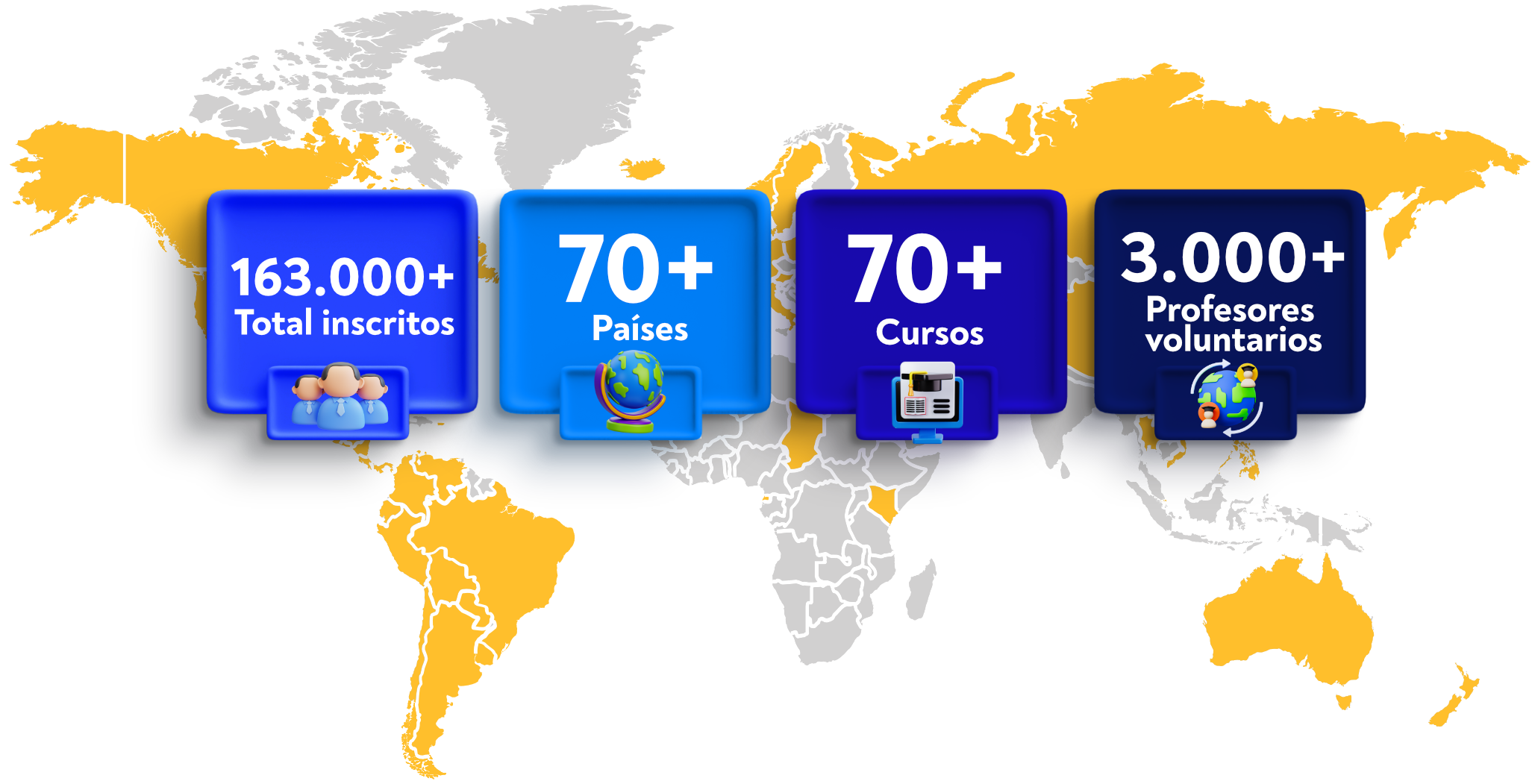
The above map shows the 38 countries from which students were contacted for classes at the Campus FIMLM.

Campus FIMLM is the articulator of the different technological tools that allow the design and development of the academic contents with three main focuses: skills and abilities, human development, and productivity, all based on the method “Discovering One’s Capacity, an Opportunity”, authored by Dr. Maria Luisa Piraquive.

More information here.

Graph: Campus interrelationships

The technology as an articulator of the Information of this project has many contributions from different platforms, in order to bring students a quality training with the integration of content in different formats. All this is possible thanks to the integration of the following platforms that improve the student’s experience.

Convention Center 3D

As an integral part of the educational experience of the Campus, the 3D Virtual Convention Center was designed to allow students to participate in events of massive attendance, such as entrepreneurship fairs, forums, congresses, debates, among others, allowing the visibility and socialization of the results and achievements of the students in the courses taken, and in the case of students in entrepreneurship, spaces were provided for the management of contacts and the opportunity to generate income through the marketing of their products.

This scenario allows students the real application of the knowledge and skills strengthened throughout their training based on the “The Method: Discovering capabilities, an opportunity” method, since they must apply the values, skills and knowledge acquired.

It should be noted that it is free of charge and emulates a physical location of a convention center, adaptable according to the purpose and type of activity, providing scenarios for socialization and communication among students.

The most representative achievements are listed below:

  • Generated a model of virtual interaction and real communication; of equitable and friendly access for people of different levels of schooling.
  • Created spaces for socialization of experiences and learning by students, increasing their self-confidence, self-recognition and appropriation of acquired skills.
  • Interaction and communication between students, entities and international visitors to the virtual convention center.
  • Visibilized the learning, skills and achievements of beneficiary students through social networks and other media.

In the case of students in entrepreneurship and productivity:

  • Facilitated means of marketing their products and generating income in times of crisis due to Covid-19.
  • Articulated marketing networks and international contacts, which has allowed entrepreneurs to expand into territories other than the local market.
  • Self-management of the enterprises has been promoted.

In order to achieve these goals, the idea was to generate a virtual interaction model that, in addition to setting a real infrastructure, would allow visitors to have a virtual experience and not miss the opportunity to communicate in real time with the exhibitor. In this way, the convention center invites visitors to take a tour through 360 images, which will take them through the different exhibition pavilions to meet with CAMPUS student entrepreneurs who will be happy to assist them through video call connection links, creating a virtual showcase for their products.

In the convention center, in addition to the pavilions, there is an auditorium where students from all the countries where the foundation is present have gathered to celebrate the closing of the courses held. As well as experts, academics and businessmen have had the opportunity to share their knowledge through forums and discussions.

Below is information on the Convention Center in 2020 and 2021

The graph shows different fairs and events that have been held at the Convention Center, where the active participation of the beneficiaries is evident, as well as the high number of international visitors who are integrated into these spaces of interaction and visibility of the achievements of the FIMLM Campus. An example of this is the IV World Forum on Disability, where public and private entities, government representatives, non-profit organizations and universities gathered around this topic.

Graph: Participants and visitors to the convention center by event
This App has been developed in house during the pandemic

App Corporate

Campus App by LMS

Mosaics for more than 10,000 graduating students

More than 10,000 Graduation Reminders per year Campus

MarketPlace (Shop)

Learning System

We live in complex times, not only due to the effects of the pandemic, but also due to the multiple problems that equally affect millions of people around the world. For this same reason, the way of thinking, expressing, acting, and especially the way of being, implies that the human being is prepared to face and transform their realities. From this perspective, the center of education is the human being, where the skills and abilities of the person are activated as an expression of all the potential they have to be part of the change that begins, first in themselves, then towards those around them, their community and environment in general.

Why focus on the person?

Any educational process must start from the recognition that human beings are integral: we have knowledge, experiences and expectations about life, we act from our perceptions about who we are, what we are capable of doing and what we want to achieve, and we need the ability to overcome by our own effort the problematic situations that arise. We are protagonists of our own lives, responsible for our successes and failures, so beyond the different roles that we can assume in everyday life, we must be able to decide and act with good conscience towards the fulfillment of our life project. guided by the values ​​that give us dignity and help us to live with others and with the planet we inhabit in a fair, equitable and inclusive manner.

This constitutes a gigantic challenge for education, because it supposes the generation of learning systems that focus more on the human than on the purely operational, rote or repetitive. Thus, it is necessary that all those people and entities that contribute to these processes place the student at the center so that they appropriate knowledge, build new possibilities and can perform positively in their context, taking advantage of opportunities and recovering from crises.

Campus FIMLM contributes to inclusion

Learning Resources

Campus FIMLM has promoted a culture of inclusion among its participants that addresses three important phases mediated by teachers and tutors in virtual classrooms supported by ICT tools:

  • Recognize the other in their identity and particular characteristics.
  • Relate to the other recognizing their dignity from their abilities and not from their shortcomings or particular conditions.
  • Share experiences, valuing diversity.

Inclusion allows enriching learning experiences from multiculturalism and pluriculturality, purposefully discovering and activating skills and abilities to generate sustainable development processes. For this reason, Campus FIMLM promotes:

  • Give value to the identity, skills, knowledge and experiences of each one, as well as the motivation that drove the person to learn.
  • Promote the joint construction of knowledge, where students, teachers, tutors and other participants of the Campus FIMLM learn from the contributions of each member in equitable conditions, considering the specific educational needs that are identified.
  • Recognize that each participant of the Campus FIMLM analyses, understands and appropriates what has been learned in a different way and at different rates, thus adapting to the students’ way of learning.
  • Motivates the practice of knowledge so that it gains meaning for himself and for others.

Inclusion, then, is a much broader approach, because it translates into interrelating ourselves, understanding difference as an opportunity to multiply our potentialities.

Learning Resources

Campus FIMLM has resources designed considering that the predominant learning needs and styles are diverse:

  • Learning guides, support material, bibliography and other reference sources.
  • Audio guides
  • Live classes that encourage interaction with students.
  • Class recordings for offline consultation
  • Translations into different languages.
  • Practical activities with feedback from teachers.
  • Communication channels for debate, resolution of doubts and direct contact between students, teachers and tutors.

Campus FIMLM develops its methodology around the following orientations:

  • We consider teaching and learning as a process centered on the person and all the potential it has to lead sustainable transformations based on a culture of values.
  • ICTs provide tools that shorten distances and minimize efforts to inform and communicate, but they do not replace the warmth of human interaction. Therefore, teachers, tutors and teams at Campus FIMLM guide the friendly use of technology as a means of finding more benefits than disadvantages, if used correctly and fears and prejudices about our ability to use it are suppressed.
  • Classes in virtual environments are constituted in spaces of interaction, so that the use of audiovisual devices that allow us to see ourselves, express ourselves and learn actively is motivated. Therefore, classroom activities favor dynamics that generate participation and multidirectional communication, giving prominence to students and not to the teacher, who must assume the role of facilitator of learning.
  • Knowledge must be accessible to all, it is a right that must be guaranteed in virtuality. Therefore, teachers apply principles of Universal Design for Learning that places knowledge within the reach of all beneficiary students through different strategies.
  • Teachers with disabilities were consulted to verify that the courses were understandable and adapted to the educational needs of people with disabilities.

Facilitators (Volunteer)

The student is the center of the educational process, responsible for their learning and the main protagonist of the Campus FIMLM. This approach implies that teachers, tutors and other participants assume the role of learning facilitators who promote educational experiences around practical applications of knowledge in their own contexts. For this reason, our teachers and tutors stand out for being a model and guide for students, to the extent that they know the characteristics of their group, and based on that knowledge they guide their classes, teaching by example, guiding their training so that the student be motivated, recognize and activate their abilities and skills.

Our volunteer facilitators stand out for the social commitment they have assumed, so each one from their profile contributes their knowledge and experiences around the fulfillment of the objectives set with the Campus FIMLM.

Contribution to the Sustainable Development Goals

Graph: Contribution to the Sustainable Development Goals, Own elaboration

Technology is an essential ally for the fulfillment of the Sustainable Development Goals (Global Compact, 2019) due to its great potential to achieve access to education and promote access to quality information. For this reason, the FIMLM Campus, through its training processes, has contributed to the achievement of the following Goals:

Sustainable Development Goal No. 10. Reduction of inequalities: These contributions are immersed in the very conception of the Method “Discover the Capacity, an Opportunity” because it is designed to achieve social, labor, productive and economic inclusion of the participants with autonomy, contributing to the reduction of inequalities.

Sustainable Development Goal No. 17. Partnerships to achieve the goals: the method in question is a benchmark of how to seal partnerships between the actorers who can participate in a specific project and are articulated with the intervening communities. Within the framework of these alliances, private and public entities, international organizations, civil society, etc. have participated.

Sustainable Development Goal No. 4. Quality education: it is provided from the perspective of comprehensiveness because the Foundation provides training based on a culture of values, information and communication technologies, strengthening of communication skills, occupational component associated with skills that each person has been identified. It also contributes with innovations in the field of ICTs, managing to reach even people with disabilities. Lastly, the participant’s family and environment are integrated into the educational process, integrating training with the person’s daily life.

Sustainable Development Goal No. 8. Decent work and economic growth: the method promotes inclusion by seeking autonomy and independence in the participant, whether as an employee or entrepreneur of a business idea, among others, for example, the Project “Emprendedores Sin Limites Manizales” 2021 had the advantage of achieving the labor linkage of participants with disabilities and in this way the contribution became evident because these people were linked to companies in the formal economy with the right to fair remuneration, social protection, thus breaking down barriers of The discrimination.

Results and impacts

The Campus FIMLM in this same scenario, people with disabilities participated, generating a space for inclusion and accessibility to ICTs, a percentage corresponding to 5.5% of the beneficiaries.

Graph: Types of disability of participating beneficiaries, FIMLM Campus (Source: Own elaboration).
The above graph shows that the highest participation of people with disabilities corresponds to the categories: physical, visual and hearing disabilities; on the other hand, the lowest participation is for people with cognitive disabilities and multiple disabilities. For the participation of people with disabilities in the FIMLM Campus training, it should be noted that contents are designed with accessibility to improve the experience and promote the permanence of the participant.

Graph: Types of disability of the participating beneficiaries, Campus FIMLM (Source: Own elaboration)

According to the above graph, the highest percentages of participants have a high school degree (34.8%), followed by participants with university education (18.1%), technical education (14.9%). The program also reached remote areas where Internet access is limited, for which tools were implemented to enable people with different levels of schooling to study.

Graph: Population groups participating in Campus FIMLM (Source: Own elaboration)
For its part, to expand the information in the previous graph, it is found that more than 10% of the participants belong to ethnic groups; thus, 5.2% are Afro-descendants, 3.4% belong to other ethnic groups, 1.1% belong to indigenous populations, 0.5% are Raizales and 0.05% are Roma population. The above shows that the Campus has reached these population groups, giving them the opportunity to access quality training.

Graph: Types of disability of the participating beneficiaries, FIMLM Campus (Source: Own elaboration)

According to the above graph, the highest percentages of participants have a high school degree (34.8%), followed by participants with university education (18.1%), technical education (14.9%). The program also reached remote areas where Internet access is limited, for which tools were implemented to enable people with different levels of schooling to study.

Graph: Migrant population in FIMLM Campus (Source: Own elaboration)

An important participation of migrants is identified, showing the FIMLM Campus as a system that integrates people of different nationalities around the common purpose of education, giving them the opportunity to strengthen their skills.

Graph: Occupation of the FIMLM Campus Population (Source: Own elaboration)

It can be observed that the highest percentage of participants is self-employed, followed by employed, unemployed, students, household, pensioners. This indicates the variety of activities carried out by Campus participants, in which the FIMLM Campus also generates a positive impact from the strengthening of skills and capabilities.

In the same way we find that the academic offer lasted between 40 and 150 hours per course, an offer that in the market ranges in a price range between USD $75 and USD $800, the Campus FIMLM delivered its portfolio of courses to its beneficiaries free of charge. Additionally, it is considered an added value that the participants receive training based on a culture of values typical of the Method.
Considering the importance of education as a tool for the eradication of poverty, the pedagogical team was made up of people with specialized studies in the different topics addressed, as well as people with disabilities in the construction of content that was aimed at this population.

The main achievements are mentioned below:

In the training process and in the benefited participants

  • A scenario was fostered in which participants in an age range between 18 and 81 years old, from different backgrounds and geographical locations, could study simultaneously in the same environment, because the teaching methodology was created from the Universal Design for Learning .
  • The participation rate in the programs by sex is: 74.7% corresponding to women and 22.3% corresponding to men, which shows an open and equal participation in access to education (in this case, non-formal).
  • Collective construction of knowledge by the beneficiaries of the project, achieving enrichment and collaborative learning around the topics covered, thanks to the feedback and experience of the students in their respective countries, cultures and contexts.
  • Design and implementation of inclusive content for the beneficiaries, especially for students with disabilities. An example of this is evidenced by the implementation of the “Manizales Entrepreneurs Without Limits” project, developed in 2021 in an association agreement with the Manizales Mayor’s Office.
  • In the case of beneficiaries trained in entrepreneurship issues, in addition to contributing to the development of their entrepreneurial skills, spaces were provided for the socialization of their productive strengthening achieved through the training they received. This socialization was carried out through business conferences and entrepreneurship promotion fairs where, through the use of ICTs, they made their products and services known. In the case of the entrepreneurs’ fair held in 2021, the group of participating entrepreneurs achieved sales that together exceeded $48,000 USD (2021 International Entrepreneurship Fair video link: https://youtu.be/2Kne2iAwiF) In addition to this , 4 more fairs were held, one of which was dedicated exclusively to women entrepreneurs. See summary video of the event: https://youtu.be/rkApmpenkAc
  • The completion rate of the training of the total group of students of the year 2021 was 66.3%
  • By implementing an impact survey of the FIMLM Campus, a sample of the participants benefited in the year 2021, expresses, among other options, that the knowledge acquired through the Campus FIMLM allowed them to: Have useful and practical tools for life (83.6%), apply them in their work, study or a business idea (79.9%), Feel motivated to continue studying (78.1), Improve socio-emotional skills or values ​​-transformation of being- (74.5%) Develop new skills (65.2%), Increase their income or access to a job (42.7%). Values ​​based on the following source: https://uvirtual.eafit.edu.co/es-co/diplomado-virtual-en-formulacion-evaluacion-y-gestion-de-proyectos?hsCtaTracking=6d9fb291-e121-4013-9774-fc39fcaec8e3%7Cefa87d04-dc33-47bc-8e57-192d22cb1b73,

Table responses to the impact survey conducted on a sample of students at the FIMLM 2021 Campus.

  • The participants strengthened their digital skills by interacting with different information and communication technologies that, integrated, contribute to their human and technical training.
  • Assessment rubrics were applied to the participants that allowed their progress to be identified in relation to the training topics developed.

Results and impacts

In coverage and scalability

With the Campus FIMLM, 2,415 beneficiaries completed their training in 2020 and 11,235 in 2021, achieving a total of 13,650, which indicates a growth in beneficiary coverage.
In 2020 (the year the pandemic began) there was an installed capacity of 345 social volunteers, of which 60 were employees of the Foundation, while in 2021 there were 1,302 social volunteers, of which 38 were employees. With the above, it is evident that:

1) The pandemic generated a significant reduction in the number of employees, however, a greater scope was achieved in the people benefited.

2) To give continuity to the development of the program, the link to social volunteering was expanded at a national and international level, which strengthened the installed capacity of the Campus FIMLM, increasing 377% of the work teams from 2020 to 2021. The foregoing shows the efficiency in the development of social work, as well as the scalability, achieving greater coverage.

The following images shows the impact and growth achieved:

It is important to highlight how through the FIMLM Campus, the information technologies and the methodology implemented, a broad growth of the Foundation’s social volunteering in different territories of the world was achieved, taking into account that not only was growth and strengthening achieved in the counterpart Foundations where we are present but also in other countries, thus expanding the coverage of benefits to different populations and communities in the world.

This project begins the implementation with the course “Training of Trainers” to strengthen the core team of volunteer coordinators of the 16 countries and departments of Colombia with a group of 240 people, who discovered their skills and their high resilience to overcome the difficulties that the pandemic brought to themselves and direct their efforts to help others, creating pedagogical strategies for learning, overcoming digital barriers, and finding in the problem an opportunity to grow in beneficiaries in their territories, so that 3 months later was scaled to have 2. 175 students, which 1,000 became teachers and tutors in the following period 2021 so we managed to have 11,235 students, for a total of 13,650 students in its two years of work.

The Foundation

Campus FIMLM was born as a response to the Foundation’s need to continue serving the beneficiaries of its projects during the crisis caused by the Covid-19 pandemic in compliance with the health measures implemented worldwide.

In 2000, the María Luisa de Moreno International Foundation (FIMLM) was created in response to Dr. Maria Luisa Piraquive’s desire to work and help meet the needs of people living in conditions of poverty and vulnerability.

Currently, FIMLM bases its social work on three Strategic Lines: Help Us Educate, Help Us Help and Productive Families, offering a helping hand through its programs and the execution of projects aimed at human development, social and productive inclusion of vulnerable populations.

The Foundation has at present a worldwide presence in the Americas, in countries such as Canada, Mexico, Panama, Ecuador, Peru, Bolivia, Chile and Colombia; in the following European countries: Spain, England, Switzerland, France, Italy and Germany. In addition, important aid has been taken to Cameroon, in Africa; Bangalore, India, and Shanghai, China.

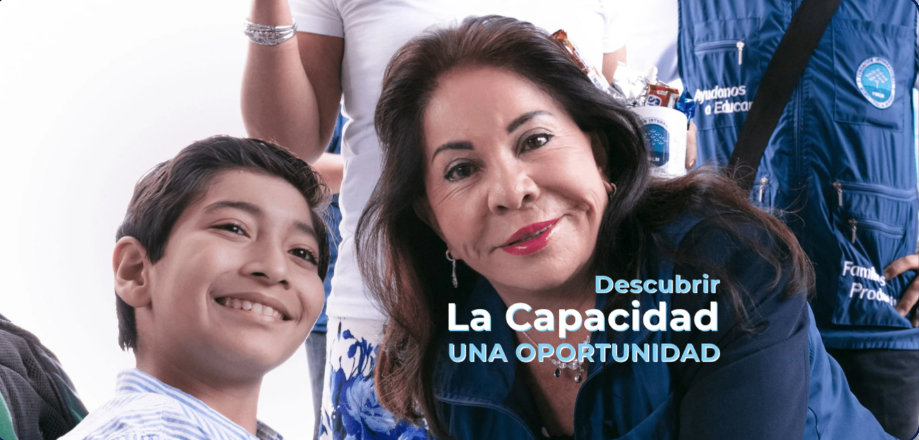
Dr. María Luisa Piraquive, President and Founder of the Maria Luisa de Moreno International Foundation, is an educator par excellence, with a teaching and social work career of more than 50 years. She has developed humanitarian, educational and entrepreneurship projects to overcome the identified needs and barriers faced by children, women heads of households, elderly, people with disabilities, among other populations.

Dr. María Luisa Piraquive has proposed innovative concepts and educational methodologies based on her own method “Discover the Capacity, an Opportunity”, whose purpose is to help people in conditions of poverty and vulnerability, to forge processes of social and productive inclusion, as a way to be autonomous and happy.

Foto de la Dra. Maria Luisa fundadora de la Fundación Internacional Maria Luisa de Moreno (FIMLM). Mirando sonriente a la cámara, vestida de manera formal con traje amarillo, con una pared de fondo en tono beige claro.

Method “Discover the Capacity, an Opportunity”

It is worth noting that this method is the result of a doctoral thesis for the academic title of Ph. D. in International Law from the Central University of Nicaragua (UCN) and which was presented at the UN. In this method, Dr. María Luisa Piraquive proposes a way of doing things and transforming lives with an interdisciplinary approach, in which the capabilities and opportunities for development and progress are discovered. This process is carried out through principles and phases in which the human being is the focal point in any of the stages of his life, when facing conditions of need and vulnerability.

All videos are in Spanish; Please turn on Youtube subtitles.

The Foundation’s Campus has left us great life experiences. These are some testimonies of the students who have taken the courses and online projects that were carried out during the pandemic by applying the method “Discovering One’s Capacity, an Opportunity” by Dr. María Luisa Piraquive, President and Founder of the María Luisa de Moreno International Foundation.

“It doesn’t matter that I’m 60 years old, I want , I can and I am capable of” • Luz Dary Arango

After 40 years I was able to study again! • Gustavo Sotomayor

“I learned to read” | Luciana Perea Rivas

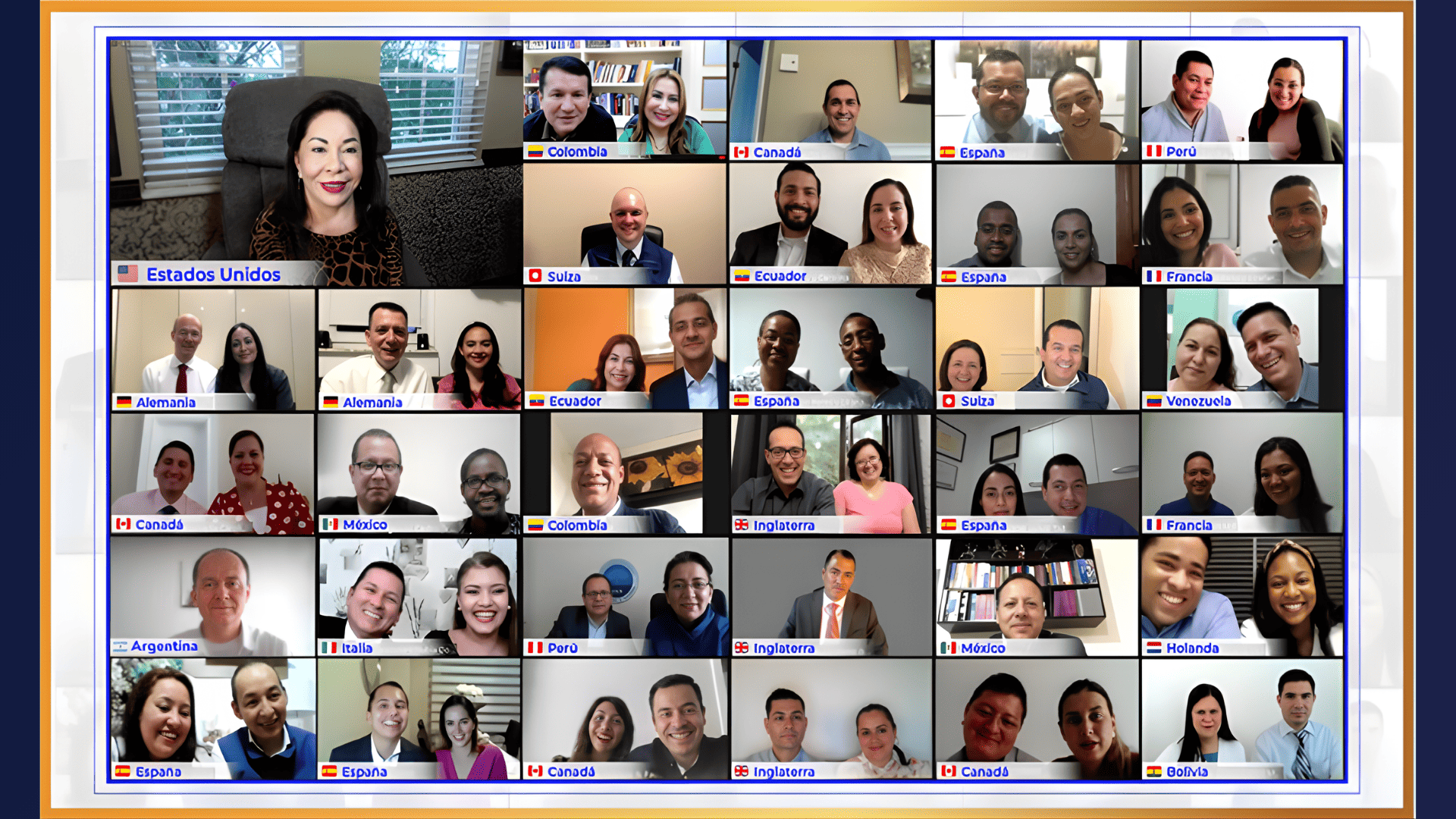
These are the closing ceremonies of the different courses offered on the Virtual Campus of the María Luisa de Moreno International Foundation. Thousands of students from different parts of the world have received special recognition after successfully completing the courses on Campus FIMLM.

#PromoCampus 2021 Closing Ceremony • Summary

Campus Closing Ceremony 2020 • FIMLM • Summary

Project Entrepreneurs Without Limits Graduation Event

Closing Ceremony of the first Training of Trainers course • FIMLM

Live Event • Campus 2021 Closing Ceremony

IV International Forum on Social and Productive Inclusion

During the pandemic the Foundation launched the campaign Helps that Connect to deliver electronic devices to children from different regions of Colombia and indigenous communities who were dropping out of school due to a lack of technological tools to continue their schooling.

Delivery of Computers and Tablets • La Guajira

Delivery of Computers and Tablets • The Gabriela – Huila

Delivery of Computers and Tablets • Turbo – Antioquia

Delivery of Computers and Tablets in Cuenca, Ecuador

Delivery of Computers and Tablets to children in Chipatá, Santander

Online events held through the online platform where students of the Campus have promoted and marketed their products and projects.

International Entrepreneurship Fair

Fair: 21 Years Teaching Values

Women Entrepeneurs Expo (Fair: #ExpoEmprendeMujer)

IV International Forum on Social and Productive Inclusion for People with Disabilities

These are some excerpts from the spontaneous testimonies of our students during their online classes.

My life has changed • Rosa Ceballos

Luis Dorlan and his toolbox

Now I´m happy • Jessica Alzate

Now I can communicate better • Sonia Jimenez

FAQs for interested parties

They are people of all ages: children, youth, seniors and people with disabilities who want to have the opportunity to learn different skills that will help them to strengthen their personal and productive life project.

Depending on the course and the number of modules to be developed, a course can last around two and four months.

No, these courses are given by the Maria Luisa de Moreno International Foundation, in some cases with the support of donors and individuals who wish to sponsor these training spaces.

No, the admission is done with previous registration to the course and with the username and password assigned by the Foundation to access the Campus, in case of being admitted.

Yes, taking into account the current health emergency conditions.

A computer or a technological device with internet access to be able to access the Campus for the development of academic activities.

Yes, you must complete all the activities of the course. As we are a non-profit organization, we issue a certificate of participation.

No, the login information assigned to the admitted student is personal and non-transferable.

Latest Campus News

For the next space, please enable the Translator by pressing on the yellow button at the bottom

TRANSLATE
Privacy Preferences
When you visit our website, it may store information through your browser from specific services, usually in form of cookies. Here you can change your privacy preferences. Please note that blocking some types of cookies may impact your experience on our website and the services we offer.
Ir al contenido